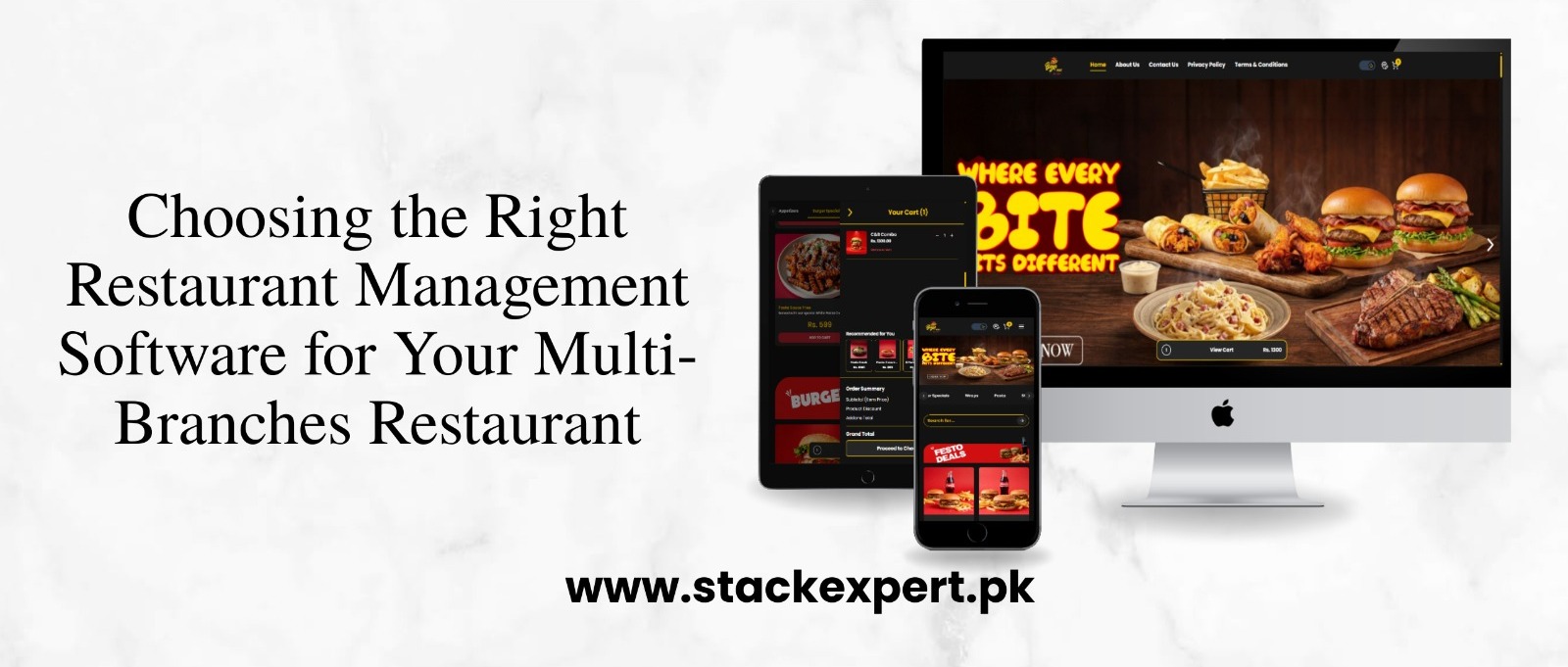

Running a restaurant involves a lot of moving parts. From tracking inventory and managing staff shifts to ensuring every customer leaves happy, the daily grind can be overwhelming. Without the right tools, details slip through the cracks, leading to wasted food, frustrated employees, and lost revenue. This is where finding the best restaurant management software becomes a game-changer for your business.
The right software doesn’t just record transactions; it acts as the central nervous system of your operation. It connects your kitchen to your front-of-house, streamlines your billing, and gives you data to make smarter decisions. But with hundreds of options flooding the market, how do you pick the one that actually fits your needs? This guide breaks down exactly what to look for so you can invest in a solution that helps your restaurant thrive.
Why You Need Modern Restaurant Management Tools
The hospitality industry has moved past the days of handwritten tickets and clunky cash registers. Modern dining demands speed and accuracy. If your servers are still running back and forth to clarify orders, or if you are manually counting stock every night, you are losing valuable time.
Implementing robust restaurant management tools does more than just digitize your menu. It provides a cohesive ecosystem where every part of your business communicates. When your POS system talks to your inventory module, you know exactly when you’re running low on ingredients before the dinner rush hits. This level of automation reduces human error and frees up your staff to focus on what matters most: the customer experience.
Furthermore, data is the new currency in the food business. The best software solutions offer detailed analytics. You can identify your best-selling dishes, peak hours, and even which staff members are upselling the most effectively.
Key Factors to Consider When Choosing Software
Selecting the best restaurant management software isn’t about picking the one with the most bells and whistles. It is about finding the right fit for your specific operational style, whether you run a quick-service cafe, a fine-dining establishment, or a multi-location chain.
1. Comprehensive POS Integration
At the heart of any restaurant software is the Point of Sale (POS). A modern POS system for restaurants must be intuitive. Your staff shouldn’t need a degree in computer science to split a bill or modify an order. Look for a system that supports table management, allowing servers to map out the dining room and track table status in real-time. Speed is critical here; a slow POS creates bottlenecks that frustrate both staff and diners.
2. Robust Inventory Management
One of the biggest leaks in restaurant profitability is food waste. Inventory management software capabilities are non-negotiable. You need a system that tracks ingredients in real-time. Every time a burger is sold, the software should deduct the bun, patty, cheese, and lettuce from your stock levels.
Advanced systems will also offer:
- Low stock alerts: Notifications when items dip below a certain threshold.
- Recipe costing: Calculations that tell you exactly how much each dish costs to make versus its selling price.
- Vendor management: Tools to automate purchase orders to your suppliers.
3. User-Friendly Interface
Adoption is the biggest hurdle when introducing new technology. If the software is clunky or confusing, your staff won’t use it correctly, and your data will be useless. Prioritize software with a clean, modern interface. During your search, ask vendors for a demo and have your actual floor staff try it out. If they can’t figure out the basic functions within a few minutes, it’s likely too complicated.
4. Scalability and Cloud-Based Access
Your business might be one location today, but what about next year? The best restaurant management software grows with you. Cloud-based systems allow you to manage your business from anywhere. You could be at home or on vacation and still check live sales data, adjust menu prices, or monitor labor costs. This flexibility is vital for modern owners who cannot be physically present 24/7.
5. Efficient Billing and Payment Processing
The payment landscape is diverse. Customers want to pay via cash, credit card, mobile wallets, or split payments among friends. Your restaurant billing software must handle these scenarios seamlessly. It should also integrate with major payment gateways to ensure fast, secure transactions. Slow payment processing kills table turnover rates, so speed and reliability are paramount.
Essential Restaurant Software Features to Look For
Beyond the core functions, specific restaurant software features can distinguish a good system from a great one. When evaluating potential partners, keep this checklist in mind:
- Employee Management: Can you schedule shifts, track hours, and manage payroll within the system? Look for tools that allow staff to clock in and out directly from the POS.
- Customer Relationship Management (CRM): Building loyalty is easier when you know your customers. A built-in CRM tracks customer preferences, order history, and contact info, enabling you to run targeted marketing campaigns or loyalty programs.
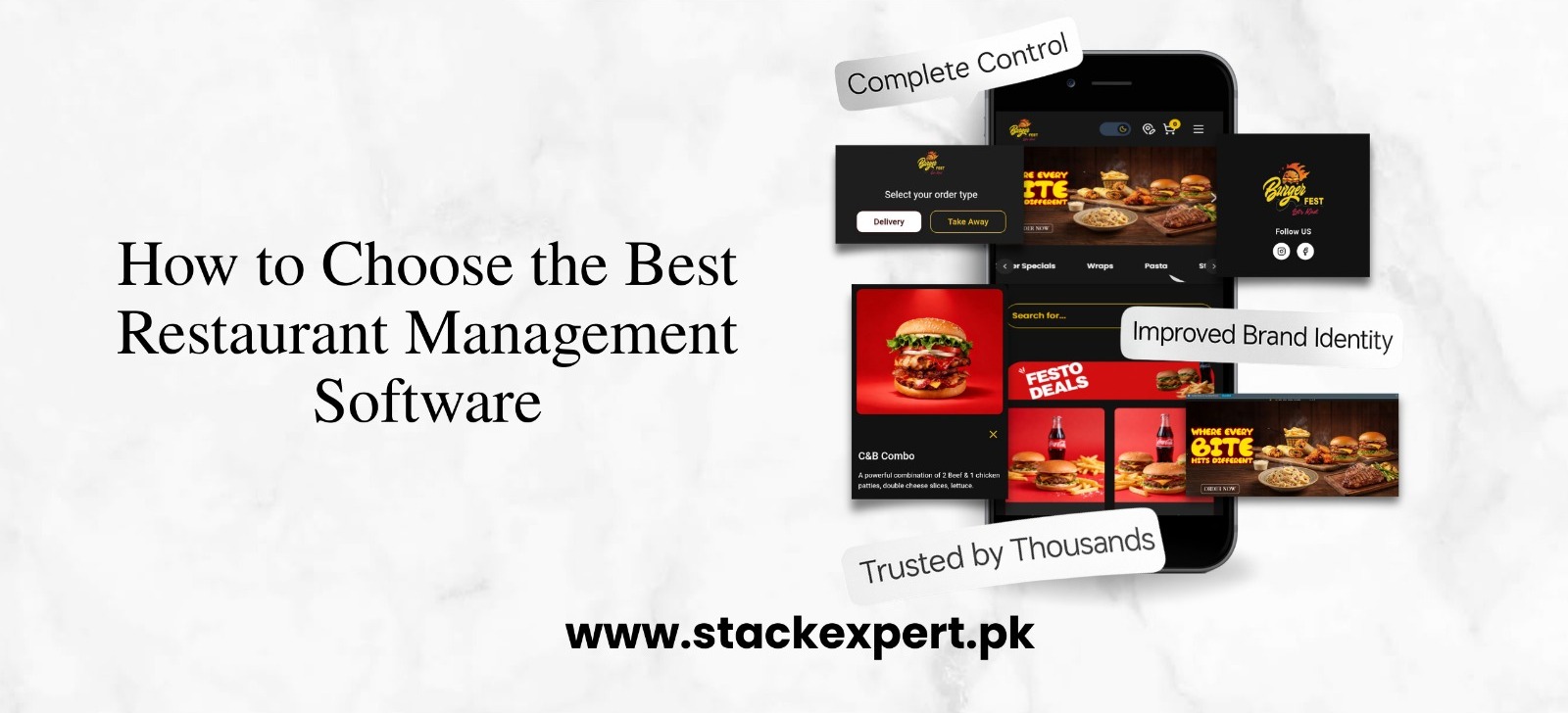
- Online Ordering Integration: In the era of delivery apps, your software must integrate with third-party delivery platforms or offer its own online ordering module. This centralizes all orders into one screen, preventing the chaos of managing multiple tablets.
- Offline Mode: Internet outages happen. Your business shouldn’t stop because the Wi-Fi did. Ensure the system has an offline mode that syncs data once the connection is restored.
- Reporting and Analytics: You need customizable reports. Look for visual dashboards that give you a snapshot of daily sales, labor costs percentage, and profit margins.
The Benefits of Investing in the Right Solution
Making the switch to a high-quality software solution is an investment, but the return on investment (ROI) is often immediate and significant.
Improved Operational Efficiency
When front-of-house and back-of-house are synced, service runs smoother. Orders go straight to the kitchen display system (KDS), reducing shouting and lost tickets. This leads to faster table turnover, which directly increases revenue.
Reduced Costs and Waste
With precise inventory management software, you stop over-ordering perishables. You can identify theft or portion control issues quickly. By analyzing labor reports, you can also optimize your staffing schedules, ensuring you aren’t overstaffed on slow Tuesdays or understaffed on busy Fridays.
Enhanced Customer Experience
Ultimately, technology should serve the guest. Faster ordering, accurate billing, and personalized service through CRM data make customers feel valued. Happy customers return, and they bring friends.
Common Mistakes to Avoid
When hunting for the best restaurant management software, avoid these common pitfalls:
- Choosing on Price Alone: The cheapest option often lacks critical support or features, costing you more in the long run due to inefficiencies.
- Ignoring Hardware Compatibility: Ensure the software runs on reliable hardware. Some software requires proprietary terminals, while others run on iPads or Android tablets. Know the hardware costs upfront.
- Overlooking Customer Support: Restaurants operate outside normal business hours. If your POS crashes at 8 PM on a Saturday, you need 24/7 support. Check the vendor’s support reputation before signing.
Conclusion
Choosing the best restaurant management software is a strategic decision that shapes the future of your business. It requires looking beyond the basic ability to take orders and finding a partner that helps you manage inventory, staff, and customer relationships effectively. By prioritizing features like robust inventory tracking, intuitive POS system for restaurants, and cloud accessibility, you set your establishment up for sustainable growth.
Don’t let outdated systems hold your business back. Embrace the digital tools that can streamline your operations and boost your bottom line.
Ready to transform your restaurant operations?
Visit Stack Expert at stackexpert.pk to discover insights and solutions tailored for modern businesses. Let us help you find the technology stack that powers your success.