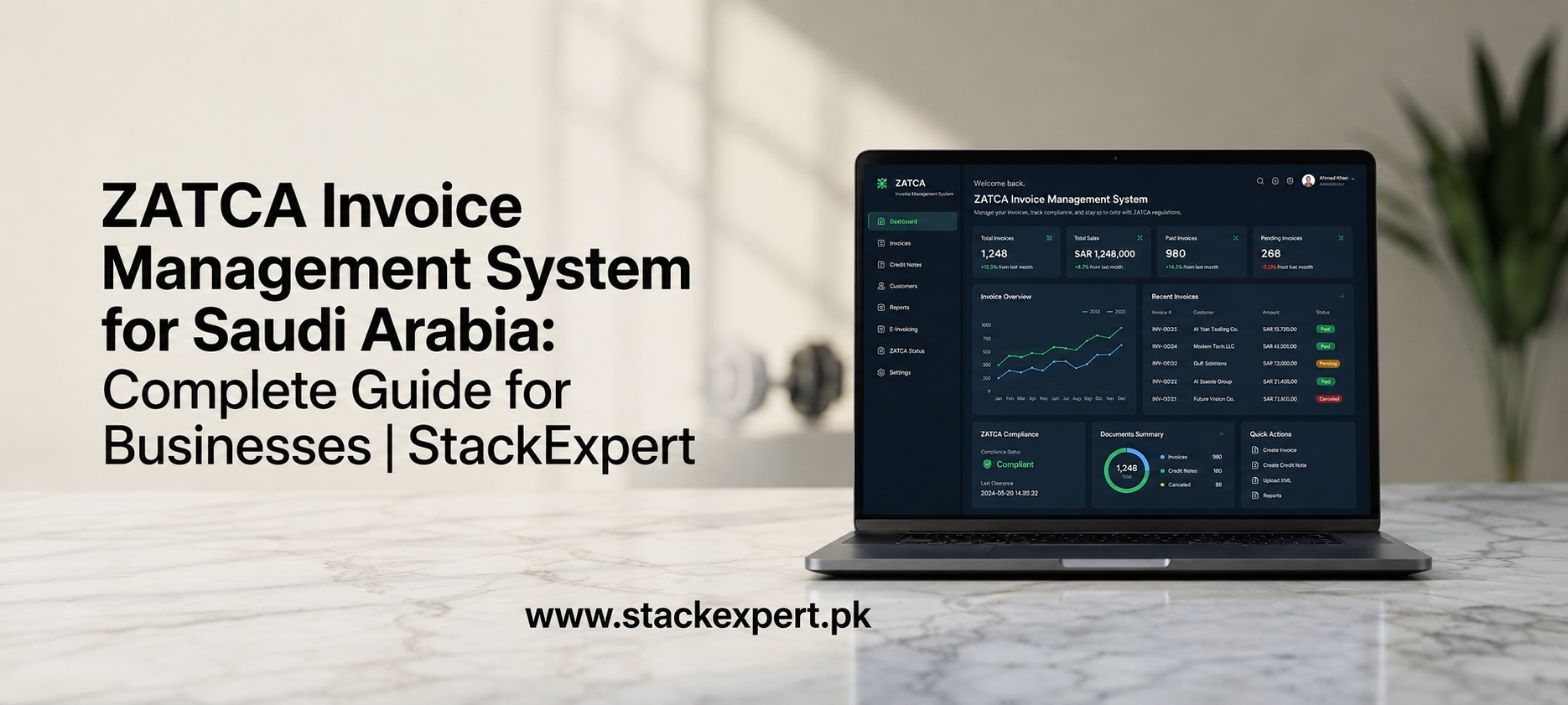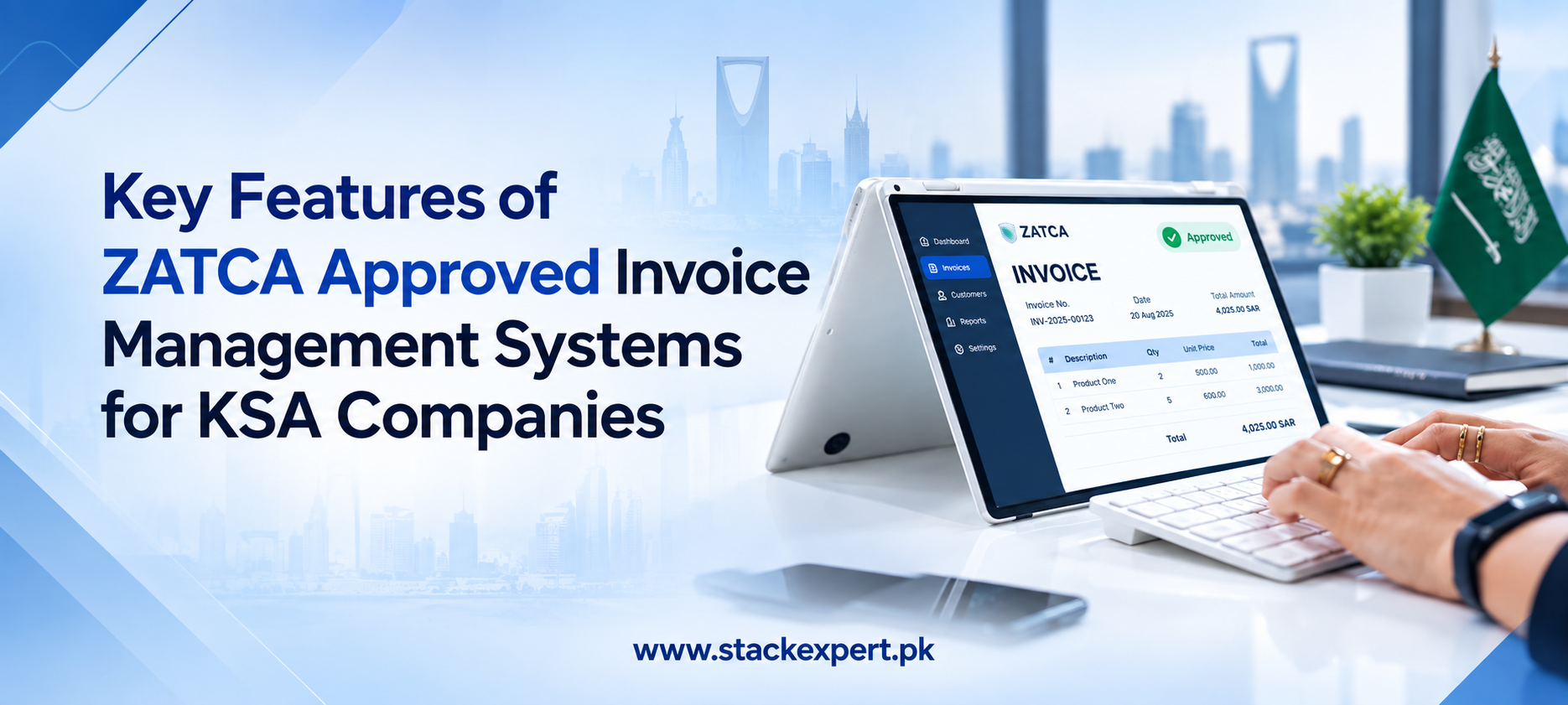

Saudi Arabia has rapidly moved toward a digital-first business environment, and invoicing is one of the areas that has experienced the biggest transformation. Traditional paper invoices, manual billing processes, and disconnected accounting systems are no longer suitable for modern businesses operating in the Kingdom.
With the introduction of the ZATCA e-invoicing framework, companies in Saudi Arabia are required to adopt electronic invoicing solutions that meet specific technical and compliance standards. The Zakat, Tax and Customs Authority (ZATCA) introduced the FATOORA e-invoicing system to improve tax transparency, reduce manual errors, and create a more efficient digital ecosystem for businesses.
For companies searching for a ZATCA Approved Invoice Management System for KSA, choosing the right solution is not only about generating invoices. A reliable system should help businesses automate billing, maintain compliance, integrate with existing software, and improve overall financial operations.
This is where advanced invoice management solutions become valuable for Saudi companies looking to simplify compliance while improving productivity.
What Is a ZATCA-Approved Invoice Management System?
A ZATCA-Approved Invoice Management System is a digital invoicing solution designed to help businesses create, manage, store, and process electronic invoices according to Saudi Arabia’s e-invoicing regulations.
Unlike basic billing software, a ZATCA-compliant system is built around regulatory requirements such as:
- Electronic invoice generation
- Required invoice data fields
- QR code generation
- Secure invoice storage
- Digital invoice validation
- Integration capabilities with accounting and ERP systems
ZATCA e-invoicing was introduced in two phases. Phase 1 focused on generating and storing electronic invoices, while Phase 2 introduced integration requirements where businesses connect their systems with ZATCA’s platform through compliant technical solutions.
For Saudi businesses, this means selecting an invoice management system that can support both current compliance needs and future digital transformation goals.
Key Features of a ZATCA-Approved Invoice Management System for Saudi Companies
1. Complete FATOORA Compliance
The most important feature of any electronic invoicing system in Saudi Arabia is compliance with the FATOORA framework.
A professional ZATCA-compliant invoice management system should automatically ensure invoices contain required information, including:
- Seller details
- Buyer information
- VAT registration details
- Invoice numbers
- Dates and timestamps
- Tax calculations
- QR codes
- Required invoice formats
This reduces the risk of invoice rejection and helps companies maintain accurate tax records.
Businesses should avoid using simple invoice generators that only create PDF invoices because compliance requires more than just creating a digital document.
A proper Saudi Arabia e-invoicing software solution should manage the entire invoice lifecycle from creation to storage and reporting.
2. Automated Electronic Invoice Generation
Manual invoice preparation consumes valuable time and increases the possibility of human errors.
A modern invoice management system allows businesses to automatically generate invoices based on:
- Sales orders
- Customer records
- Product information
- Service agreements
- Accounting transactions
For example, instead of employees manually entering customer information every time, the system can automatically pull existing data and create accurate invoices within seconds.
Automation helps Saudi companies:
- Reduce administrative workload
- Improve billing accuracy
- Process more invoices faster
- Maintain consistent invoice formats
For growing businesses, automated invoice processing becomes an important part of operational efficiency.
3. Seamless ZATCA Phase 2 Integration
One of the biggest requirements for businesses under the ZATCA Phase 2 framework is system integration.
A reliable ZATCA-approved invoice management system should support direct communication between business systems and ZATCA platforms.
This includes:
- API connectivity
- Invoice submission
- Validation processes
- Digital compliance requirements
- Secure data exchange
Phase 2, known as the Integration Phase, requires businesses to integrate their electronic invoicing solutions with ZATCA systems according to the assigned implementation waves.
This makes integration capability one of the most important factors when selecting an electronic invoice management system in Saudi Arabia.
4. ERP and Accounting Software Integration
Most Saudi companies already use accounting or enterprise systems to manage their operations.
A good invoice management solution should integrate easily with platforms such as:
- ERP systems
- Accounting software
- Point-of-sale systems
- Customer relationship management platforms
- Inventory management systems
ERP integration with ZATCA helps businesses avoid duplicate data entry and ensures financial information remains synchronized.
For example, when a sales transaction is completed, the system can automatically generate a compliant invoice without requiring employees to manually transfer information between different platforms.
This creates a smoother workflow between sales, finance, inventory, and tax reporting departments.
5. Secure Invoice Storage and Digital Record Management
Saudi businesses generate thousands of invoices every year. Managing these records manually can create problems during audits or financial reviews.
A professional electronic invoice management system provides:
- Secure cloud storage
- Easy invoice searching
- Digital archives
- Backup protection
- Audit-ready records
Companies can quickly access previous invoices without searching through physical documents or multiple spreadsheets.
This improves financial transparency and helps businesses maintain organized records.
6. Real-Time Invoice Tracking and Reporting
Another important feature of modern invoice management software is visibility. Businesses need to know:
- Which invoices are issued
- Which invoices are paid
- Which invoices are pending
- Which invoices require attention
Advanced reporting dashboards provide real-time insights into billing activities. Management teams can analyze:
- Revenue trends
- Customer payment behavior
- Outstanding balances
- Tax-related information
These insights help companies make better financial decisions.
7. VAT Compliance and Accurate Tax Calculations
Saudi businesses registered for VAT need accurate tax calculations on every invoice. A ZATCA-compliant invoicing system automatically manages:
- VAT percentage calculations
- Tax-inclusive pricing
- Tax summaries
- Credit notes
- Debit notes
This minimizes calculation mistakes and ensures businesses maintain proper VAT documentation. For finance teams, automated VAT handling reduces repetitive work and improves compliance accuracy.
8. Multi-Language and Saudi Business Support
Saudi Arabia has a diverse business environment where companies often operate in both Arabic and English. A suitable invoice management system should support:
- Arabic invoices
- English invoices
- Bilingual customer documents
- Local business requirements
This makes communication easier for customers, suppliers, and government compliance processes.
9. Cloud-Based Accessibility
Modern businesses require flexibility. Finance teams may need access to invoice information from different locations. Cloud-based invoice management solutions allow authorized users to:
- Access invoices remotely
- Monitor financial activities
- Manage customer billing
- Review reports anytime
For companies with multiple branches across Saudi Arabia, cloud-based systems provide better control and collaboration.
10. Improved Business Efficiency Through Automation
Beyond compliance, the biggest advantage of implementing a ZATCA-Approved Invoice Management System for Saudi companies is operational improvement.
Businesses can reduce:
- Manual paperwork
- Data entry mistakes
- Invoice processing delays
- Administrative costs
At the same time, they can improve:
- Customer experience
- Financial visibility
- Reporting accuracy
- Business scalability
A good invoicing system does not simply solve a compliance requirement; it becomes a foundation for smarter business operations.
How Saudi Companies Can Choose the Right Invoice Management System
Before selecting an electronic invoicing solution, companies should evaluate several factors:
-
Compliance Capability
Ensure the system supports current ZATCA requirements and future updates.
-
Integration Options
Check whether it can connect with existing ERP, accounting, or business systems.
-
Security Standards
Invoice data contains sensitive financial information, so security should be a priority.
-
Scalability
The system should support business growth and increasing invoice volumes.
-
User Experience
Employees should be able to use the system without complicated training.
Choosing the right technology partner can make the transition toward digital invoicing much easier.
Why Businesses Need Professional ZATCA E-Invoicing Solutions
Saudi Arabia’s digital transformation is creating new opportunities for companies that adopt technology early.
A ZATCA-compliant invoice management system helps businesses move beyond traditional billing methods and build a more efficient financial ecosystem.
Companies that invest in reliable e-invoicing software can achieve:
- Better compliance management
- Faster invoice processing
- Improved financial control
- Reduced operational costs
- More accurate reporting
Instead of viewing electronic invoicing as only a regulatory requirement, businesses should consider it an opportunity to modernize their operations.
Conclusion
A ZATCA-Approved Invoice Management System for Saudi Arabia is becoming an essential technology investment for companies operating in the Kingdom.
The right solution should provide complete FATOORA compliance, automated invoice generation, ERP integration, secure storage, VAT management, reporting capabilities, and long-term scalability.
As Saudi Arabia continues its digital transformation journey, businesses that adopt advanced electronic invoicing systems will be better prepared for future compliance requirements while improving their overall efficiency.
At StackExpert, we help businesses implement technology solutions that support automation, digital transformation, and business growth. Whether your company needs ZATCA e-invoicing integration, business automation, or customized software solutions, our team can help you build a smarter digital workflow.
Ready to upgrade your invoicing process? Contact Stack Expert today and explore the right ZATCA-compliant solution for your business.
FAQs:
Q1. What is a ZATCA-Approved Invoice Management System for Saudi companies?
A ZATCA-Approved Invoice Management System for Saudi companies is a digital invoicing solution that helps businesses create, manage, store, and process electronic invoices according to Saudi Arabia’s ZATCA e-invoicing requirements. It supports invoice automation, VAT compliance, QR codes, and secure digital record management.
Q2. Why do Saudi companies need a ZATCA-compliant invoice management system?
Saudi companies need a ZATCA-compliant invoice management system to meet electronic invoicing regulations, reduce manual errors, automate billing processes, and maintain accurate VAT records. It helps businesses improve efficiency while staying compliant with Saudi tax requirements.
Q3. What is FATOORA in Saudi Arabia?
FATOORA is the electronic invoicing system introduced by ZATCA to regulate digital invoices in Saudi Arabia. It enables businesses to issue and manage electronic invoices while improving transparency, accuracy, and tax compliance.
Q4. Does ZATCA-approved invoice software support Phase 2 integration?
Yes, a modern ZATCA-approved invoice management system supports Phase 2 integration requirements. It allows businesses to connect their invoicing systems with ZATCA platforms for invoice validation and compliance processes.
Q5. Can a ZATCA invoice management system integrate with ERP software?
Yes, ZATCA-compliant invoice management systems can integrate with ERP and accounting platforms. ERP integration helps automate invoice creation, synchronize financial data, and reduce manual data entry.
Q6. Is cloud-based invoice management software suitable for Saudi businesses?
Yes, cloud-based invoice management software is suitable for Saudi businesses because it provides secure access, automatic backups, easy updates, and centralized invoice management from anywhere.
Q7. How does electronic invoicing software help with VAT compliance in Saudi Arabia?
Electronic invoicing software helps businesses manage VAT compliance by automatically calculating taxes, generating accurate invoices, maintaining digital records, and reducing calculation errors.
Q8. Can small businesses use a ZATCA-approved invoicing system?
Yes, small and medium-sized businesses in Saudi Arabia can use ZATCA-approved invoicing systems. These solutions help SMEs automate billing, reduce paperwork, and manage compliance more efficiently.
Q9. How secure are ZATCA-compliant invoice management systems?
ZATCA-compliant invoice management systems use security features such as encrypted data storage, user access controls, backups, and secure digital records to protect business and financial information.
Q10. How can StackExpert help with ZATCA e-invoicing solutions?
StackExpert helps businesses implement digital invoicing solutions, ERP integrations, and automation systems designed to improve compliance, efficiency, and business operations.